Interviewer (I): Dr. Vance, thank you for inviting us to Infarmight’s global headquarters. The scale of what you’ve built here is truly breathtaking. To start, for our readers who may not be familiar, what is the core mission of Infarmight?
Dr. Elara Vance (EV): Thank you for coming. Our mission is simple, yet profound: to redefine the future of food security and sustainability through intelligent, localized farming. We are facing a confluence of crises—climate change, rapid urbanization, and a growing global population—that traditional agriculture is struggling to meet. Infarmight was founded on the belief that technology, specifically a fusion of AI, robotics, and controlled environment agriculture (CEA), is the only viable path forward. We don’t just grow food; we grow data, and we use that data to create hyper-efficient, resilient food systems right where people live.
The Genesis of a Smart Farm Revolution
I: That sounds like a monumental task. Many companies are in the vertical farming space. What makes Infarmight’s approach, particularly your proprietary ‘Agri-Intelligence Platform,’ fundamentally different?
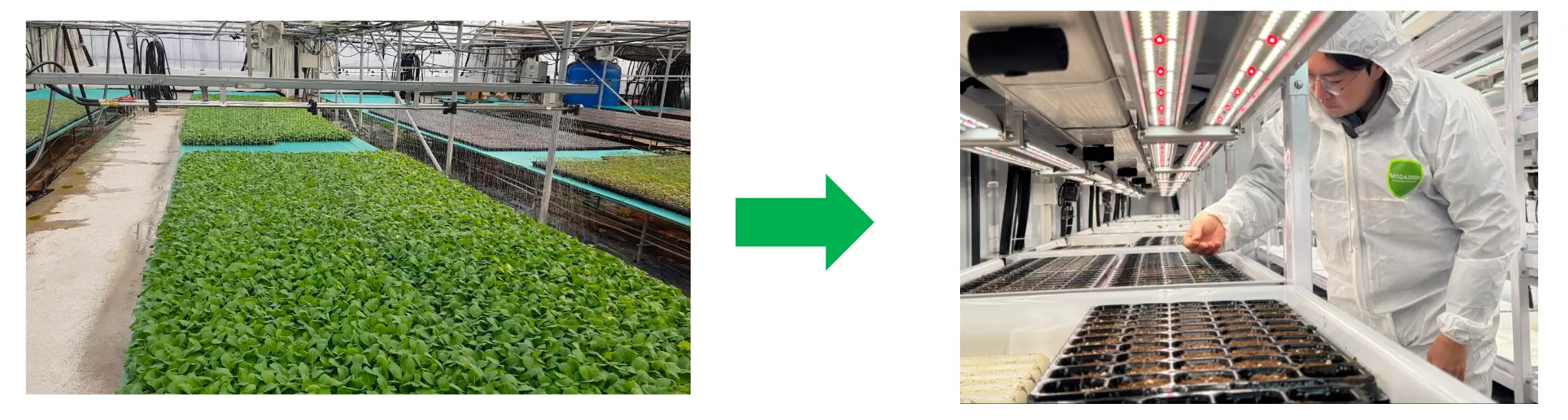
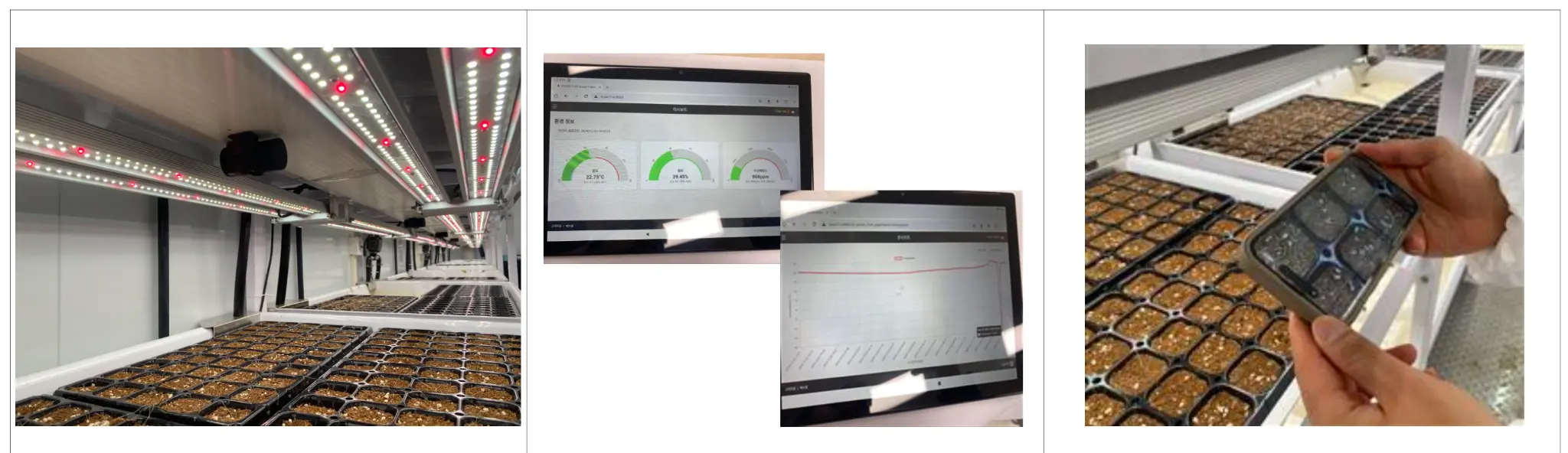
EV: The difference lies in our holistic, data-first approach. Most vertical farms are essentially high-tech greenhouses. Infarmight is a living, learning ecosystem. Our Agri-Intelligence Platform is the central nervous system. It’s an AI model that manages every single variable in the growing environment—from the spectral output of our LED lights and the precise nutrient mix in the hydroponic solution to the atmospheric CO2 levels and humidity.
The key is predictive analytics. Our system doesn’t just react to conditions; it anticipates them. It learns the optimal growth recipe for every single plant variety, at every stage of its life cycle, in real-time. This allows us to achieve yields that are orders of magnitude higher than field farming, with a fraction of the water and zero pesticides.
I: Can you give us a concrete example of how this AI-driven precision works in practice?
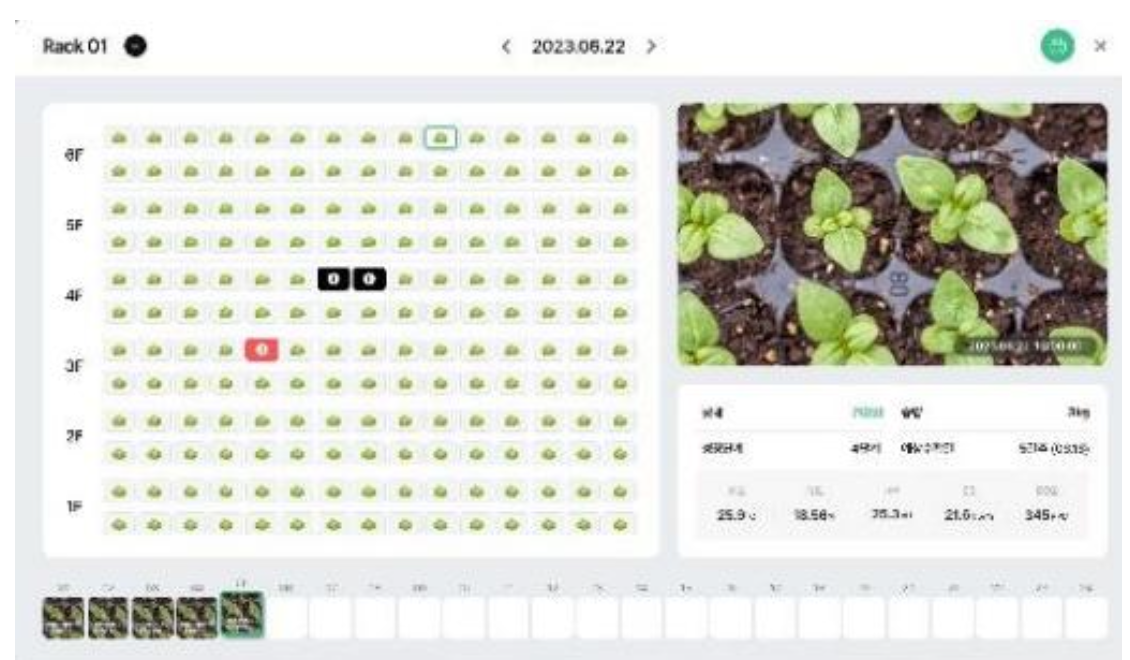
EV: Certainly. Consider a head of lettuce. In a traditional farm, it gets the same sun, the same rain, and the same fertilizer as the plant next to it. In an Infarmight facility, our AI is tracking thousands of data points for that specific plant. If the AI detects a slight deviation in leaf color or growth rate, it doesn’t just flag it; it immediately adjusts the micro-climate for that specific rack. It might increase the red light spectrum by 5%, adjust the potassium concentration by 2 parts per million, and slightly lower the ambient temperature—all to steer the plant back to its optimal growth curve. This level of hyper-optimization is impossible for a human to manage.
Tackling the Industry’s Biggest Hurdles
I: One of the most persistent criticisms of vertical farming is the high initial capital expenditure (CAPEX) and the enormous operational cost, particularly energy consumption. How is Infarmight addressing these economic realities?
EV: That is a very fair and critical question. We recognized early on that if CEA is to scale and truly replace traditional farming in urban centers, it must be economically sustainable. We’ve tackled this on two fronts: design efficiency and energy innovation.
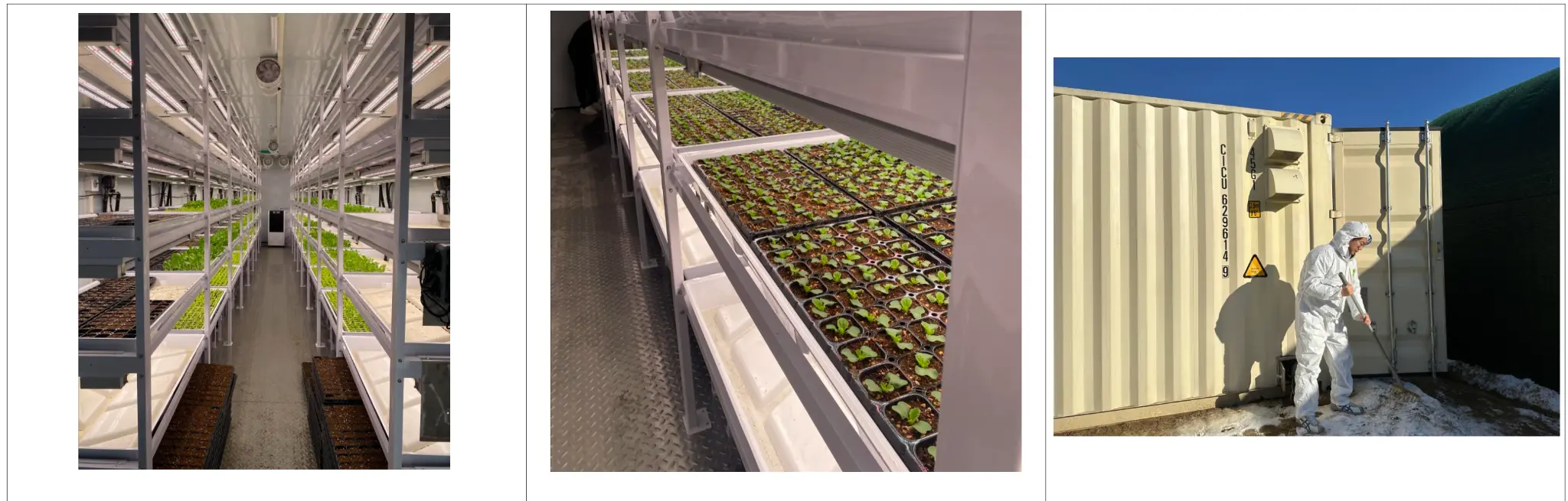
On the design side, our modular farm units are designed for rapid, standardized deployment, significantly reducing construction costs. We’ve also developed a proprietary racking and robotics system that maximizes the growing area per square foot of facility space.
More importantly, on the energy front, we have achieved a 40% reduction in energy consumption compared to the industry average for a comparable yield. This is primarily due to three innovations:
- Closed-Loop Water and Nutrient Recycling: Our system recycles 98% of the water, which also minimizes the energy needed for pumping and filtration.
- High-Efficiency LED Spectrum Tuning: Our AI constantly tunes the light spectrum to the exact needs of the plant, eliminating wasted energy from unnecessary wavelengths.
- Waste Heat Recovery: We capture the waste heat generated by the LED systems and use it to maintain the ambient temperature of the facility, creating a highly efficient thermal loop.
I: That’s impressive. Can you illustrate the difference in resource use with a quick comparison?
EV: Absolutely. We often use this comparison to highlight the dramatic shift in efficiency.
| Resource | Traditional Field Farming (Per Kg of Produce) | Infarmight CEA System (Per Kg of Produce) | Efficiency Gain |
|---|---|---|---|
| Water | ~250 – 300 Liters | ~5 – 10 Liters | >95% |
| Land Use | ~100 sq. meters | ~1 sq. meter | >99% |
| Pesticides | Required | Zero | 100% |
| Food Miles | Hundreds/Thousands | Less than 10 | Significant |
This table clearly shows that the initial investment, while high, is offset by the long-term, dramatic savings in operational resources and the stability of the supply chain.
Beyond Leafy Greens: Expanding the Crop Portfolio
I: Vertical farming has largely been limited to leafy greens and herbs. Is Infarmight making progress in expanding the crop portfolio to include more staple or complex crops?
EV: That limitation is a technological challenge we are actively conquering. It’s true that the economics are easiest for high-value, fast-growing crops. However, to truly impact global food security, we must move beyond basil and lettuce.
Our research and development teams are focused on two key areas: root vegetables and small fruits. We’ve had significant breakthroughs in growing strawberries and even some varieties of potatoes in our controlled environment. The challenge is replicating the complex soil interactions and the energy demands of fruiting and tuber crops. Our AI is now simulating these soil biomes and optimizing the light spectrum to encourage flowering and fruiting with unprecedented success.
We believe that within the next five years, Infarmight will be able to sustainably and economically grow a significant portion of a typical family’s produce basket, not just the garnish. This expansion is crucial for our global strategy.
I: Speaking of global strategy, where is Infarmight focusing its expansion efforts, and what is the biggest non-technical challenge you face in new markets?
EV: Our expansion is strategically focused on dense urban centers and regions facing acute water scarcity. We have operational farms in New York, London, Singapore, and Dubai. Our next targets are megacities in India and China, where the logistics of traditional food supply chains are breaking down.
The biggest non-technical challenge is regulatory harmonization and public perception. We are introducing a completely new paradigm for food production. We have to work closely with local governments to establish new standards for food safety, labeling, and urban planning. We also have to educate consumers that our produce, grown without pesticides and with minimal environmental impact, is not just as good as field-grown produce, but often superior in terms of nutrient density and flavor consistency.
The Future of Food and the Role of AI
I: The integration of AI in agriculture is a massive trend. How do you see the role of AI evolving at Infarmight over the next decade? Will we see fully autonomous farms?
EV: Absolutely. We are already very close to fully autonomous farms. The next decade will be defined by two major AI advancements in our space: Generative AI for Crop Design and Hyper-Local Supply Chain Optimization.
Generative AI for Crop Design is perhaps the most exciting. Imagine an AI that can design a new crop variety—not through genetic modification, but through environmental optimization—to thrive in a specific urban micro-climate. It could design a tomato with a perfect balance of acidity and sweetness, optimized for the light and temperature profile of a facility in, say, Chicago. The AI will generate the “growth recipe” for a plant that doesn’t yet exist, and our system will execute it.
Hyper-Local Supply Chain Optimization will use AI to connect the farm directly to the consumer in real-time. Our farms will know, based on local demand signals, exactly what to plant, when to plant it, and when to harvest it, minimizing waste to near-zero. This will transform the concept of “farm-to-table” into “farm-in-the-building.”
I: That sounds like a world where food is grown on demand, eliminating waste and long-distance transport. What is the ultimate impact you hope Infarmight will have on the planet?
EV: The ultimate impact is twofold: environmental healing and social equity.
Environmentally, by moving farming indoors and localizing it, we can free up vast tracts of arable land currently dedicated to monoculture. This land can be reforested, restored to natural habitats, and allowed to sequester carbon. We can significantly reduce the agricultural sector’s massive water footprint.
Socially, we are creating a more equitable food system. Our farms can be placed in food deserts, providing fresh, nutrient-dense, and affordable food to communities that have been historically underserved. We are also creating a new class of high-tech agricultural jobs—plant scientists, data analysts, and robotics technicians—that are clean, safe, and intellectually stimulating.
Final Thoughts on the Future
I: Dr. Vance, this has been incredibly insightful. Do you have any final message for our readers about the future of food?
EV: I would say this: The future of food is not about going back to the way things were; it’s about boldly moving forward with innovation. We must embrace technology not as a threat to nature, but as a tool to heal it. Infarmight is proving that the most sustainable farm is the one that is the most intelligent. We are building a world where fresh, perfect food is a right, not a luxury, and where the planet can breathe a little easier. It’s an exciting journey, and we’re just getting started.

I: Dr. Vance, thank you for your time and for sharing the Infarmight vision.
EV: My pleasure. The revolution is growing.